How a One-week Art History Course at Sotheby’s Changed My Perspective
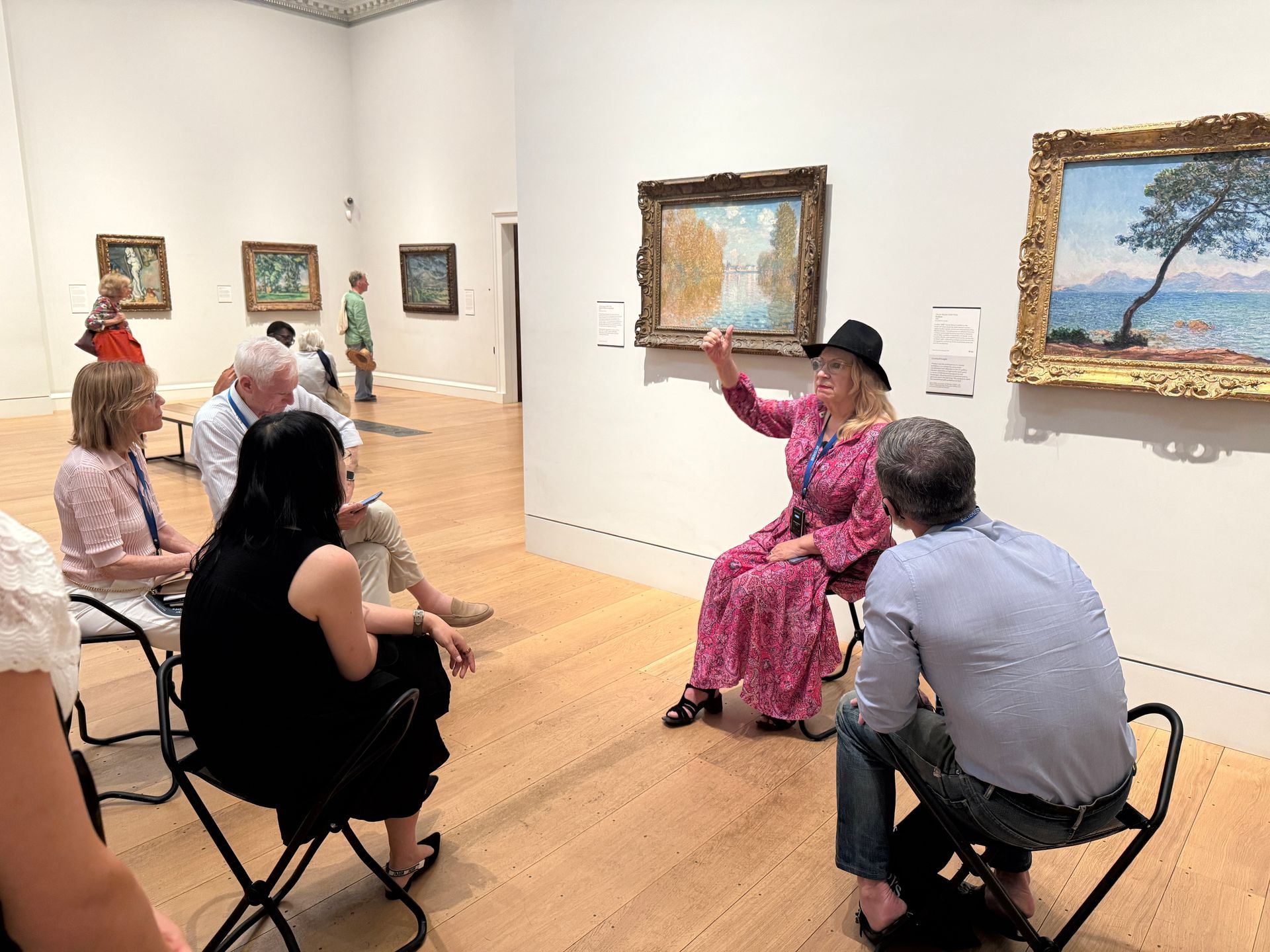
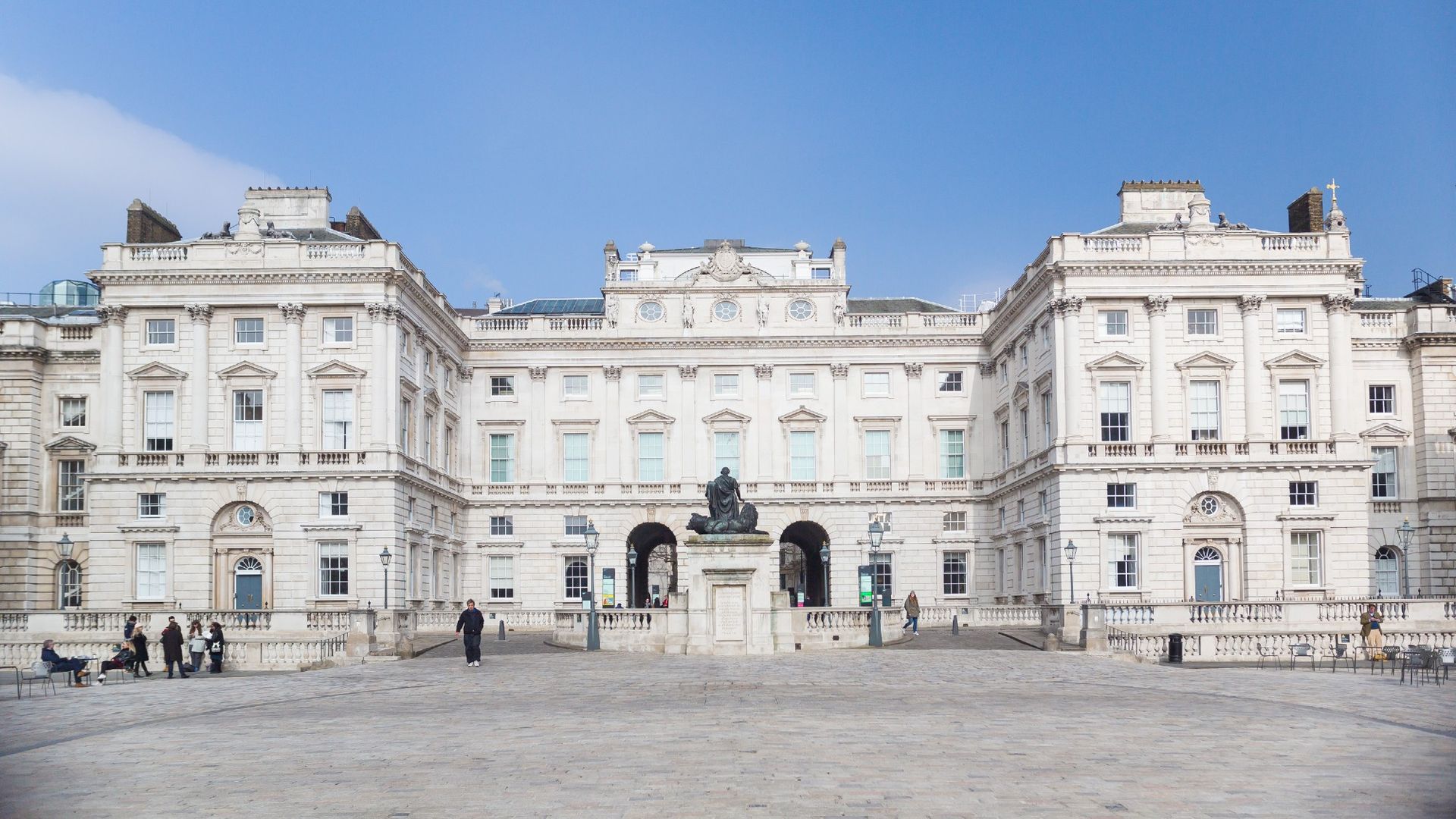
Our Class Contemplating the brilliance of Monet at The Courtauld Gallery
At a glance
- Provider: Sotheby's Institute of Art
- Course: Art History: Key Concepts
- Location: 30 Bedford Square, London
- Duration: 1 week, 10am - 4pm daily
- Scope: Western art, from ancient Greece to contemporary art
- Best for: Curious beginners, cultural travelers, learning sabbaticals
- Support: Sabbaticals.com can arrange course bookings, accommodation, mentor, concierge
In my family, my sister inherited the creative genes and went on to study art history in college. As for me, I chose English Literature because it delivered the highest grades with the least amount of effort, which I’m not proud of! Thankfully, I came to understand the career limiting potential of such a major (and lax work ethic), so later went on to get an MBA.
At no point did art factor into my world. Over the years I schlepped around various museums, but my pace towards the exit quickened with every passing minute. In short, I was too concerned with business to care about creative pursuits. If anything, I enjoyed pressing creative agencies and brand champions to prove how their work affected the P&L (not easy!).
So why in my 50s would I sign up for an art history course? Yes, I had some time on my hands. Yes, it was a good excuse to travel to London, one of my favorite cities. And yes, I knew I would meet some interesting people (desperately hoping I wouldn’t be an age outlier). But ultimately, I did it out of curiosity - what happens when you go far outside of your comfort zone.
There’s a quote I read in my 20s that stuck with me over the years: “We derive our greatest pleasures not from novelty but from familiarity” (Raymond Radiguet). After studying art history for the first time, I realized a subtle nuance to Radiguet’s view. By opening your mind to new forms of creativity, you can see a different side of life’s beauty that would otherwise be missed.
I have a newfound appreciation for artwork in all its forms, which was most definitely not “familiar” before! I don’t think I could have reached this point on my own - I needed some structure, a little history, a basic understanding of art periods, and of course an amazing teacher to be inspired by.
The Course
I’ve been working with
Sotheby’s for a while now as part of
Sabbaticals.com, so I decided to take their intensive course titled
“Art History: Key Concepts.” Lasting 1 week and focusing on western art, the plan was to cover two and half millennia, from ancient Greece to contemporary art. Even for an amateur like myself, that seemed like a lot of ground to cover!
The venue was
Sotheby’s Institute of Art, just next to the British Museum. From what I could tell, the area is home to a number of “semester abroad” programs, as there were packs of American college students milling about. But thankfully our class of 11 people was diverse, including a retired couple from Malta, a fashion designer from Argentina, a former PR executive from China, and a younger cohort, some of whom were considering career changes involving art.
Mornings were spent in the classroom, where the instructor (Viv Lawes, who brought astounding knowledge and contagious enthusiasm) would lecture about each art period, including historical context and other influences on art form, as well as the period’s style and characteristics.
We would then look at key artists and their defining artworks. I found that using a period to introduce each artist helped me appreciate what direction they were going in. As you’d expect, each period was in many ways a rebellion against the preceding period. What’s more, many artists were dismissed by critics who didn’t “get” what they were trying to do until well after their death (Van Gogh only sold 1 painting during his lifetime, ouch).
After a break for lunch, afternoons were spent in one of London’s many world-class museums, where we would focus on periods and artists covered in the morning lecture…
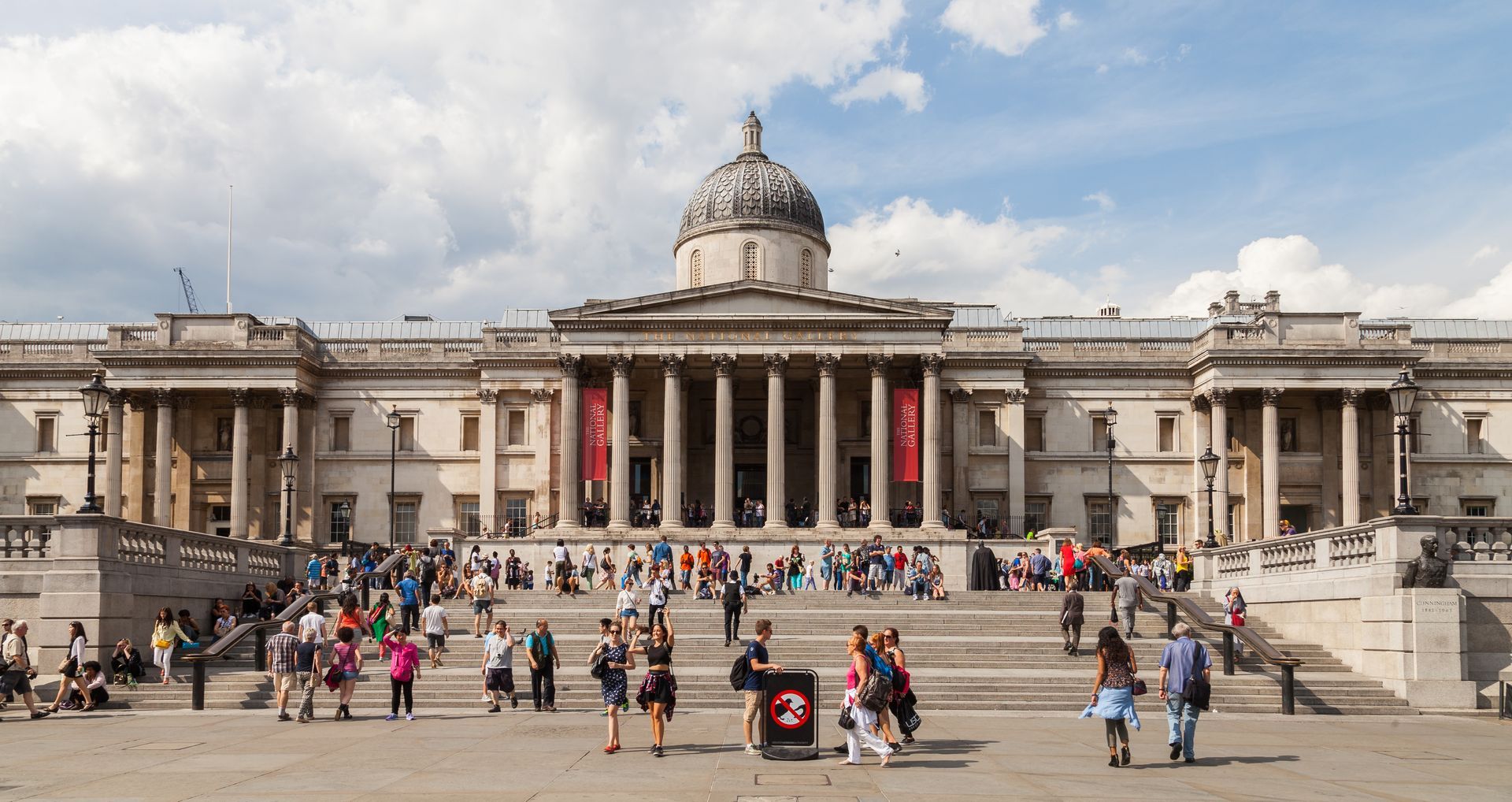
National Gallery
Late Medieval, early Renaissance
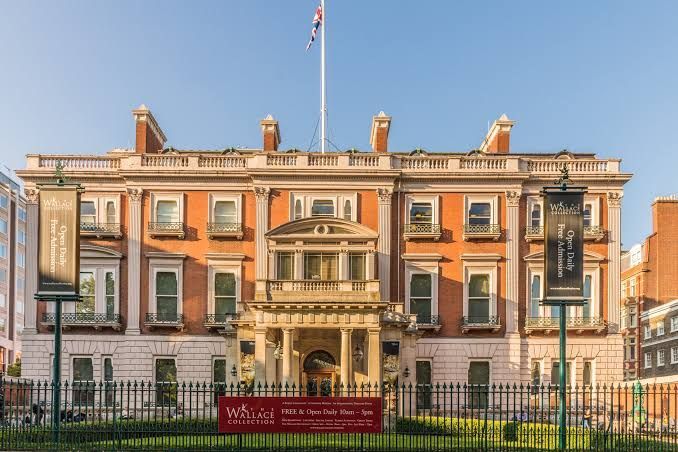
Wallace Collection
Baroque / Rococo, Neoclassical
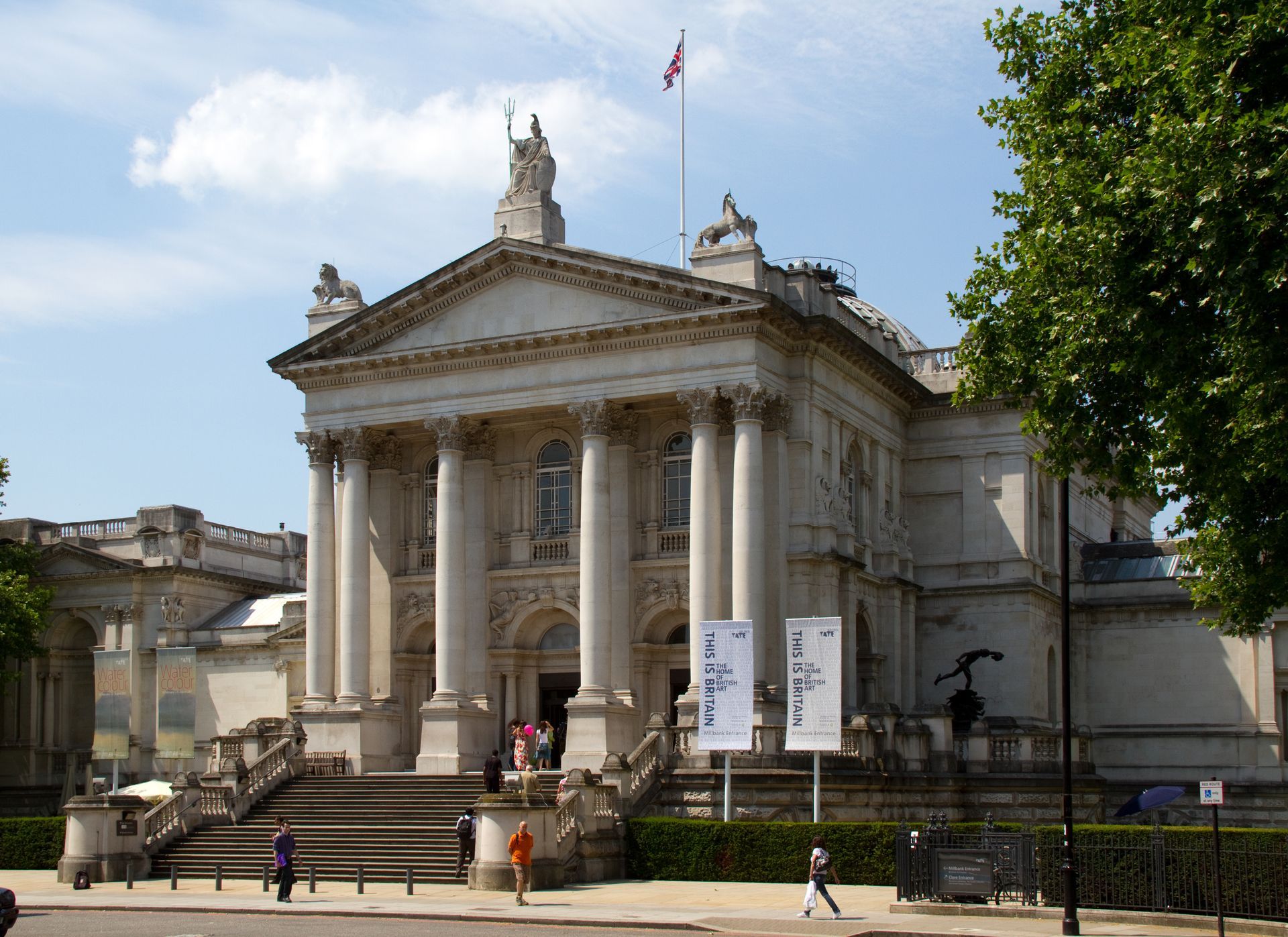
Tate Britain
Neoclassical, Romanticism, Realism
A great touch, we were given ear pieces in each museum to hear our instructor, as some places like the National Gallery can be noisy. Oh, and most museums had foldable chairs you could carry along, which despite the geriatric image came in handy especially later in the week 👍.
The Highlights
It’s been a couple of weeks since this course. As I reflect on my experience, there were 5 learnings that really stood out…
- Historical context
I probably should have known this, but key events of the times had a profound influence on artists and their works. Our instructor would grill us repeatedly on certain dates:
- 1453 (Fall of the Roman Empire > art moved from political to religious themes)
- 1839 (Invention of photography > artists began using abstraction to differentiate)
- 1917 (Marcel Duchamp’s “Fountain” > anything can be art, even a urinal!)
- Yada yada
By understanding what was happening around an artist, be it a cultural shift, social unrest or technological change, you can begin to understand WHY they were doing things in a certain way. An example for technological change, when oil paint became available in small tubes, artists like Monet could go out to his beloved gardens to paint (hence the Water Lilies series).
- Golden Ratio
I had heard of this concept before, but only as it applied to beauty based on facial symmetry, balance and harmony (apparently Emma Stone has the highest score for celebrities). In fact, this mathematical proportion (called “Phi”, which is = 1.62) has been used by leading architects and painters from ancient times through to today for spatial composition.
We looked at a number of examples, including The Parthenon (Greece), Rembrandt (Anatomy Lesson of Dr. Nicolaes Tulp) and Katsushika Hokusai (The Great Wave Off Kanagawa). In fact, when you start to look around, this ratio keeps showing itself in all matter of forms.
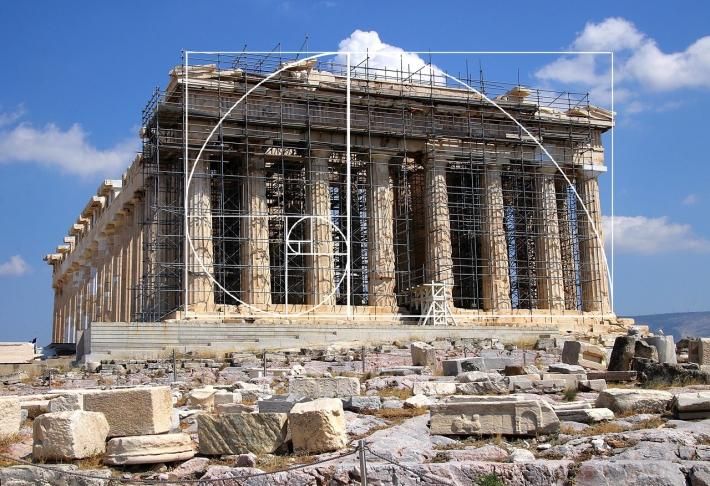
The Parthenon
Ancient Greece
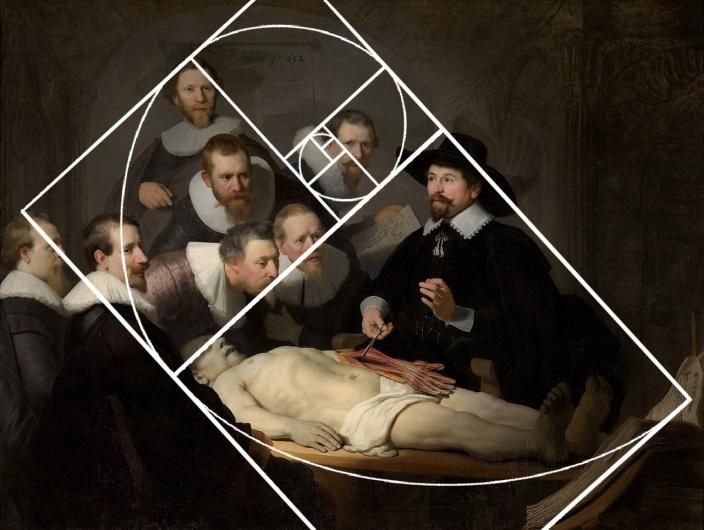
Anatomy Lesson of Dr. Nicholaes Tulp
by Rembrandt
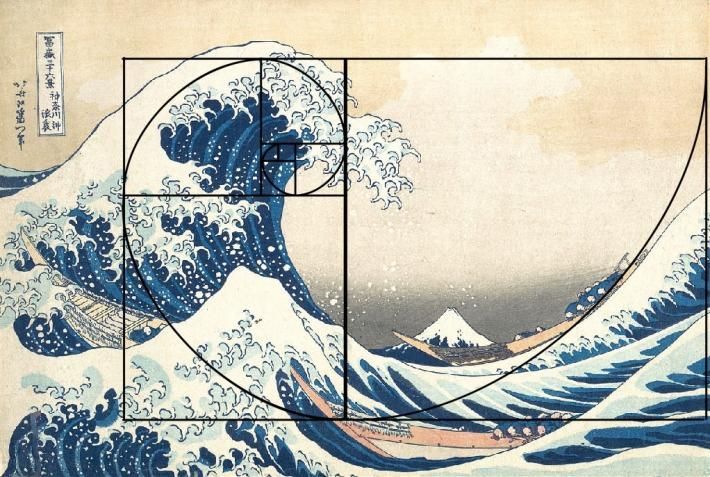
The Great Wave Off Kanagawa
by Katsushika Hokusai
- Grand Tour
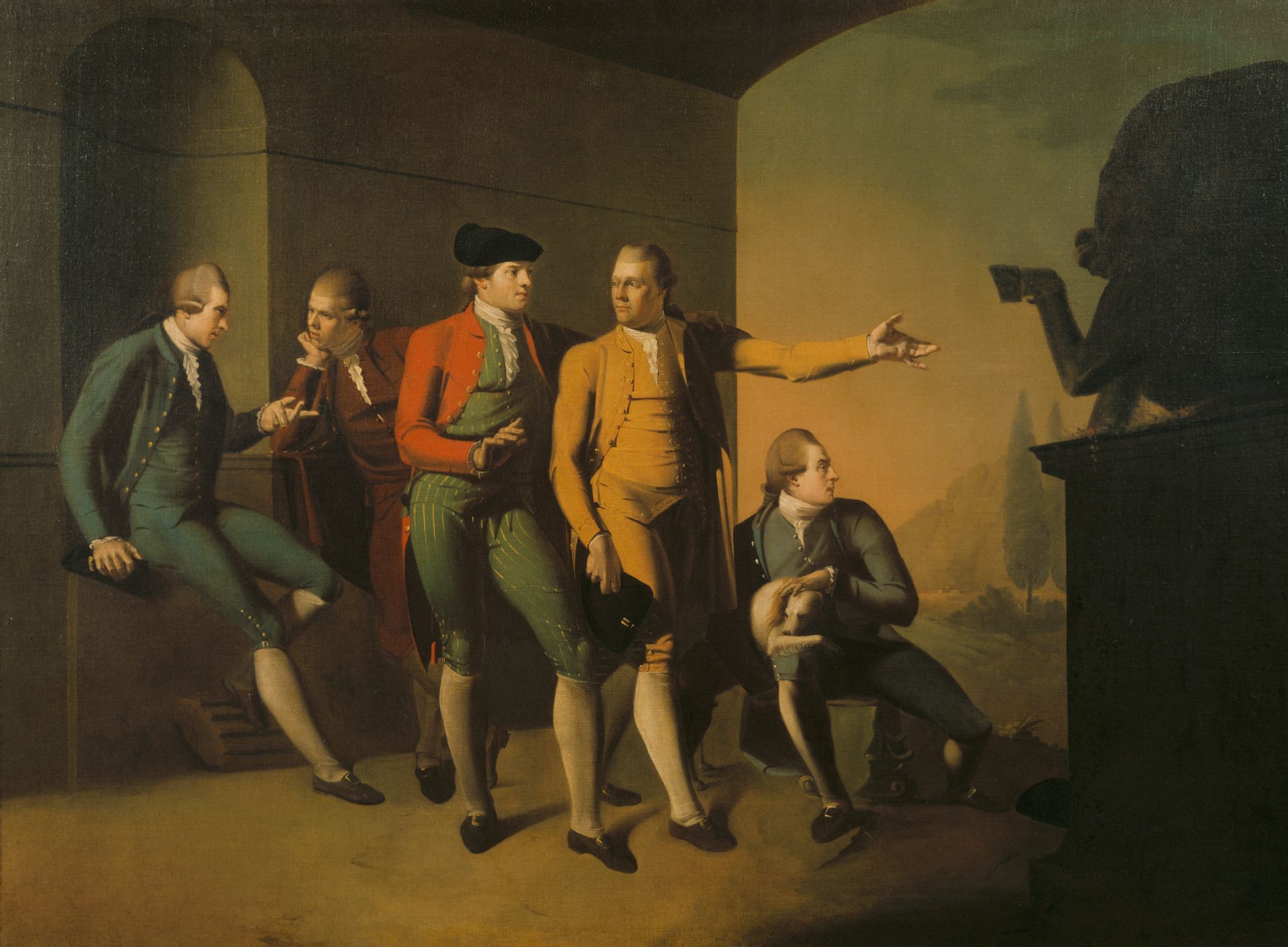
Between the 17th and 19th centuries there was something called the "Grand Tour." It was considered a finishing school for wealthy English gentlemen who had just graduated from university. They would sail to Calais, France, then take the coach to Paris, hitting all the preeminent museums there. They would then continue on to Italy and Spain, soaking up culture and no doubt seeing a treasure trove of famous Renaissance artworks along the way.
It reminds me of a similar American rite of passage for recent grads: backpacking
through Europe (in my case, while clutching a tattered "Let's Go" travel guide). But unlike the bar-hopping spree I remember, these Grand Tourists collected paintings, sculptures and other works of art to bring home. Many would go on to become patrons of the arts, focusing on the Classical and Neoclassical periods. With extensive collections and expertise, they would also help establish the National Gallery in 1824.
- Group dialogue
Another thing I really enjoyed about this course was hearing the perspectives of my classmates, who came from a patchwork of countries and backgrounds. People see different things in art, so when diverse views are shared, you get a much richer perspective than if you had gazed solo.
Perfect case in point,
Manet’s “A Bar in the Folies Bergère” at The Courtauld Gallery, which shows a barmaid standing behind a marble counter. Our group stood in front of this painting for 15 minutes discussing what we saw and felt. The mirror image (I missed this at first), the man possibly hitting on the barmaid (top right), her underwhelmed expression (I've seen that before), the feet hanging from the upper left corner, implying trapeze acrobats as part of the nightclub's entertainment, and more.

- Subjective view
Lastly, it was comforting to know that art appreciation is entirely personal, based on your emotions, memories and tastes. It helps to know what to look for, but ultimately it was how a painting made me feel that was enjoyable. You don’t need a special degree for that, which is why art is more accessible than I thought.
Taking a business world analogy, the most successful start-ups tend to fall along 1 of 2 axes. They offer something that is highly efficient (Google search), or something that is delightfully playful (Crocs shoes). I see art the same way. There’s the realistic precision of painters like Rembrandt and Courbet, as well as the creative imprecision of painters like Matisse and Picasso. But hey, what do I know, I’ve only taken a 1 week course 😀.
Fortunately, our instructor shared a more robust model than my own for exploring painting theory. It comes from Venetian writer Ludovico Dolce who published "A Dialogue on Painting" in 1557. Painting is divided into 3 essential parts: invention (how the painter expresses meaning), drawing (led by mind and logic) and color (led by body and emotion). For example, some painters use distinct lines for form (drawing) while others use fewer lines, and focus instead on complex and varied colors (coloring).
In Summary...
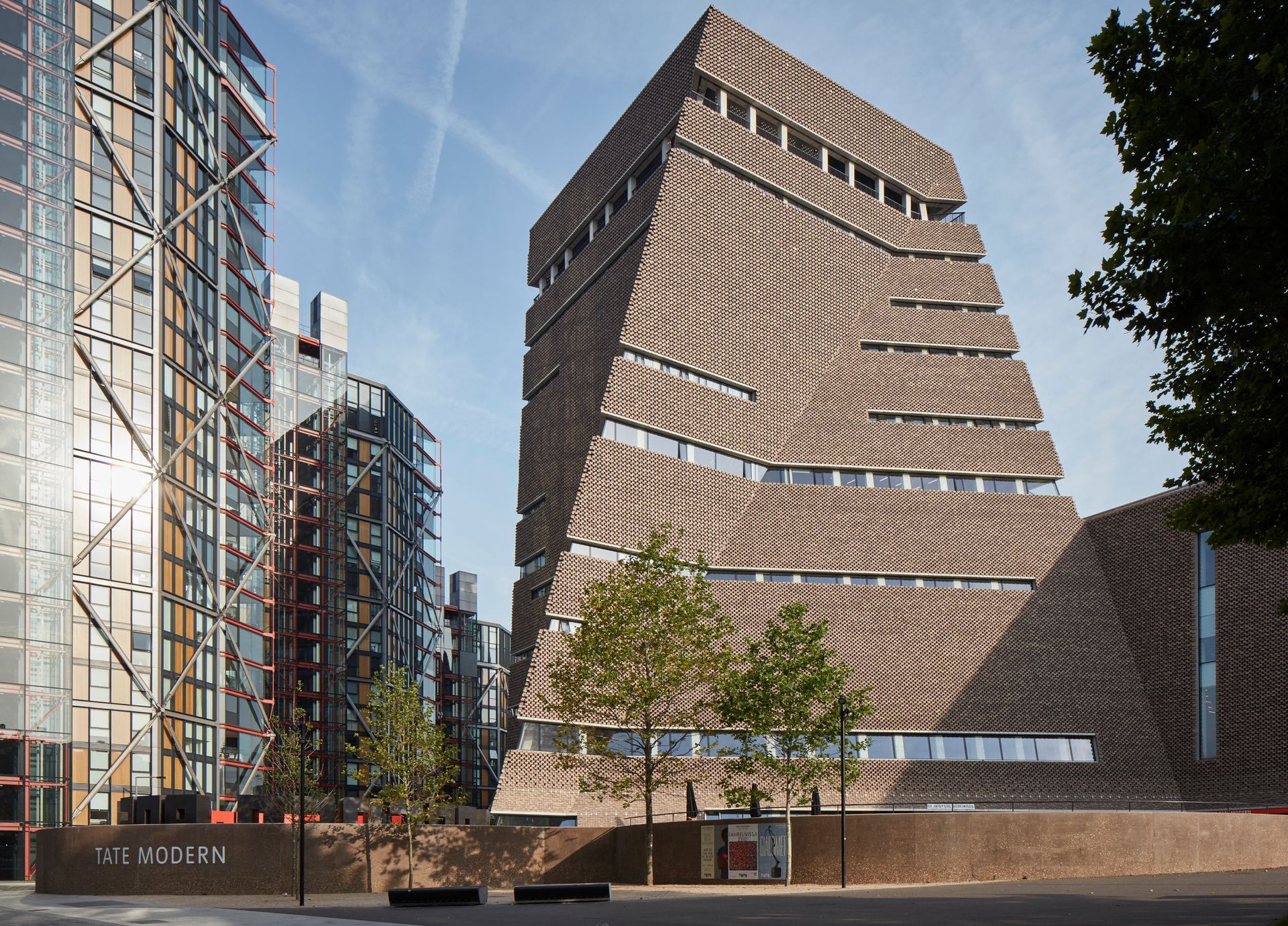
I went into this course with a healthy dose of imposter syndrome. After all, what did I know about art history? I’d seen a lot of art over the years, but could never seem to understand or appreciate it. The week flew by and before I knew it, we were saying our goodbyes after a visit to the Tate Modern. I had seen more amazing paintings that week than in all my life. Helped with lectures and dialogue, I had a stronger appreciation for the artist’s creativity and mastery.
In many respects studying wine is like studying art history. Sure, it’s great to drink the stuff, but by understanding a little more about the grape, where it was grown and how it was made into wine, then your appreciation moves to a deeper and more fulfilling level. Likewise, it’s great to look at artwork, but by understanding the period that defines it, as well as the artist’s style of drawing, invention and color, you can appreciate the artform on a new level.
And bonus insight (please humor me)... both art and wine have another commonality - the humble egg 🥚. Renaissance artists used a paint mixture called "tempera" on wood panels, which included egg yolks as a binder for pigments. For wine, many producers (especially in Bordeaux) use egg whites to filter out dead yeast in red wine barrels. BOOM!
Will I be taking more courses? Absolutely, there’s even an 8-week online course called “Art History: Key Concepts Advanced” that would be a great next step. Bottom line, I’d like to make art a daily part of my life. In fact, I wish I had done that earlier in my career as a way to unplug from work and endless email. Ah well, it’s never too late.
Sabbaticals.com provides an
Art History Experience in London with Sotheby’s Institute of Art, including package design, school tuition, luxurious accommodation and concierge services. Sotheby’s has an active roster of short (~1 week) and long (~3 months) courses for all types of interest. What’s more, with so many museums and art events, one will NEVER be bored in a place like London. We would be happy to chat more to design your perfect itinerary together!